Standing Seam vs. Exposed Fastener Metal Roofing: Which Is Right for Your Project?

If you're considering a metal roof, one of the first decisions you'll make is choosing between standing seam and exposed fastener metal roofing. Both systems offer exceptional durability, but they're designed for different applications, budgets and longevity.


Whether you're building a custom mountain home, replacing an aging roof, or planning a new agricultural or commercial project, understanding the differences will help you make a confident decision.


At Gunnison Sheet Metal & Roll Forming, we manufacture both standing seam and exposed fastener steel panels right here in Gunnison, helping homeowners and contractors throughout Western Colorado find the best solution for every project.

What Is Standing Seam Roofing?

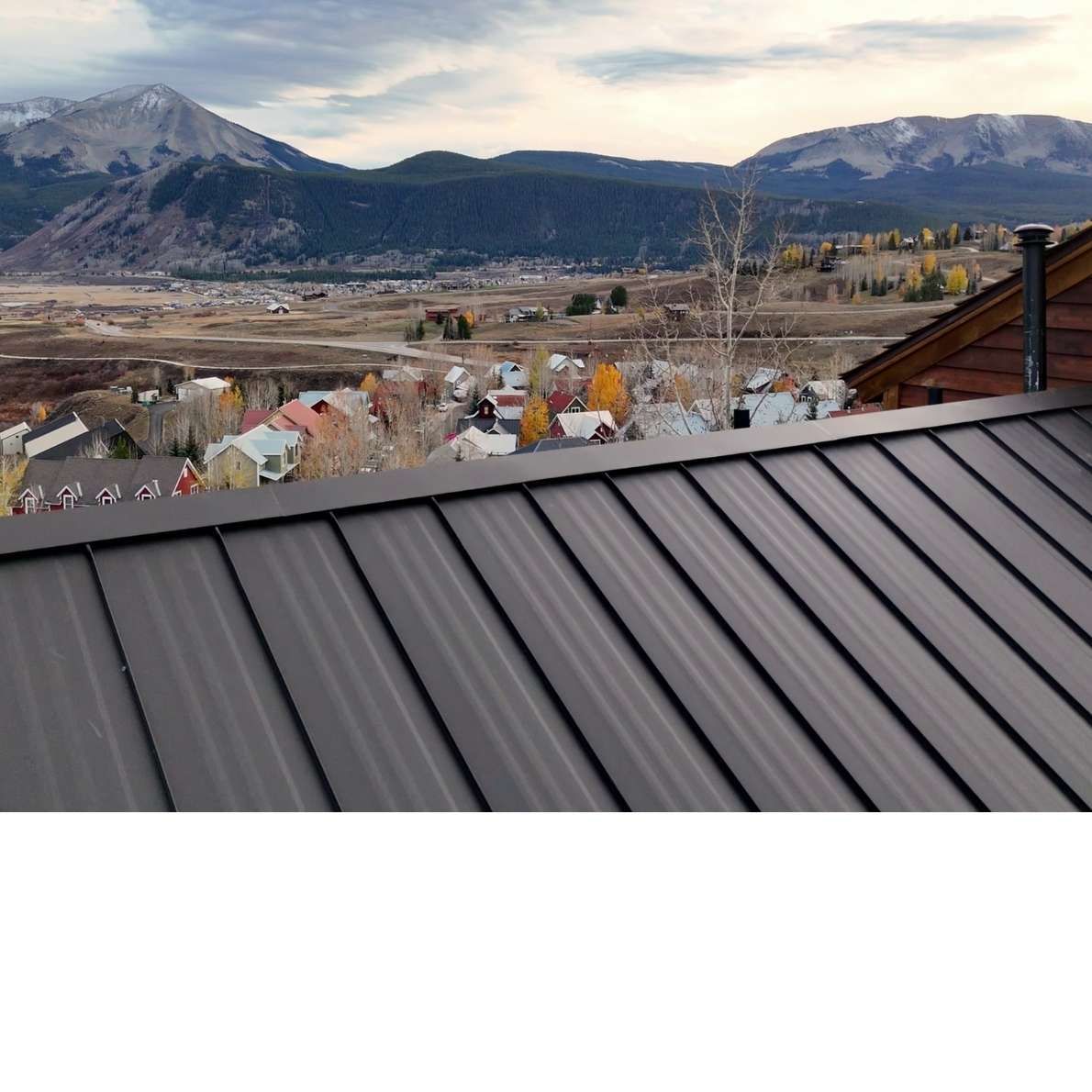
Standing seam roofing features hidden fasteners and raised vertical seams that lock adjacent panels together. Because the fasteners are hidden beneath the panels, the roofing system provides exceptional weather resistance while creating a clean, modern appearance.


Standing seam roofs are commonly selected for:

  • Custom homes
  • High-country retreats
  • Luxury homes
  • Commercial buildings
  • Residential Homes
  • Low-slope roofing applications


Benefits of Standing Seam Roofing

  • Concealed fastener design
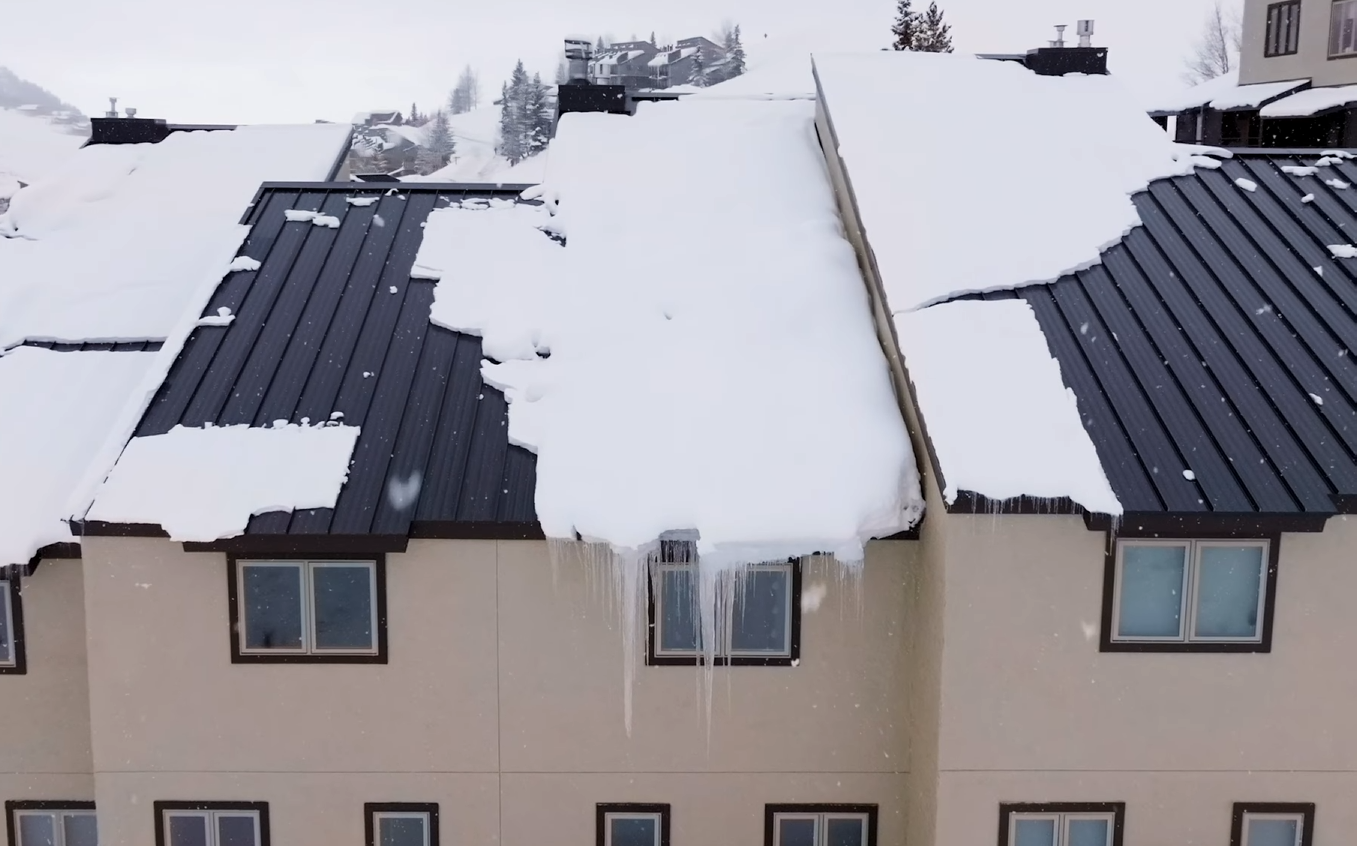
  • Outstanding resistance to wind, snow, and moisture.
  • Minimal maintenance
  • Long lifespan (50-70 years)
  • Clean architectural appearance
  • Excellent long-term value
  • Custom panel lengths available


What Is Exposed Fastener Metal Roofing?

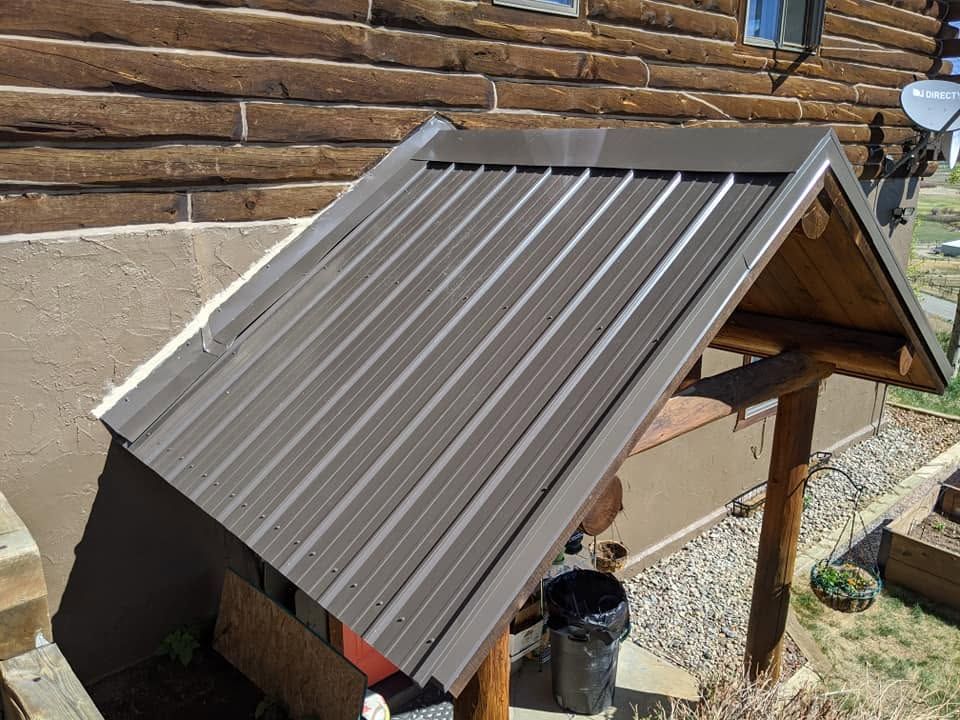
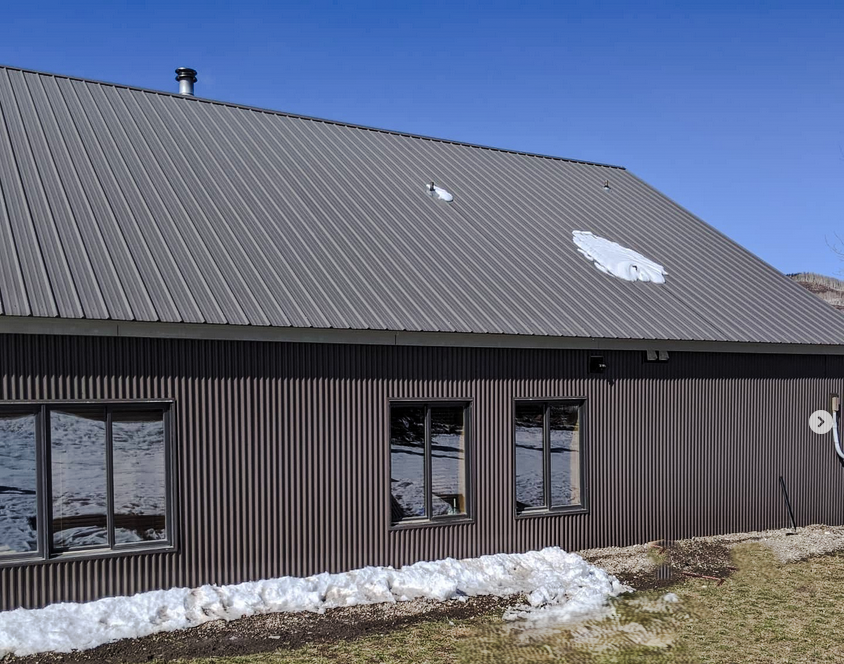
Exposed fastener roofing is one of the most common steel roofing profiles, featuring Corrugated, repeating wave-shaped ribs. And propanel, 36" wide panels seen across Colorado metal roofs.


While exposed fastener systems have long been used on barns and agricultural buildings, they have become increasingly popular for modern homes, cabins, restaurants, retail buildings, and architectural accents as an affordable metal roofing option.


However, there are value trade-offs as they require bi-annual maintenance where fasteners must be tended to. With Colorado's intense temperature swings, metal panels go through significant expansion & contraction everyday. This shift in temperature causes panels to move minutely, causing fasteners to loosen and "back-out." Therefore, bi-annual fastener maintenance is a must to prevent roof leaks.


Corrugated panels are commonly used for:

  • Residential roofing
  • Metal siding & skirting
  • Agricultural buildings
  • Shops and garages
  • Accent walls
  • Interior design features
  • Commercial buildings


Benefits of Corrugated Roofing

  • Cost-effective
  • Easy to install
  • Versatile for roofing and siding
  • Durable steel construction (20-50 year lifespan)
  • Available in many colors and finishes


Which Roofing System Performs Better in Colorado?

Colorado's climate presents unique challenges, including:

  • Heavy snowfall
  • High winds
  • Intense UV exposure
  • Freeze-thaw cycles
  • Large temperature swings


Standing seam roofing excels in these conditions because its concealed fastening system minimizes opportunities for moisture intrusion while allowing the panels to expand and contract naturally.


Exposed fastener roofing also performs exceptionally well throughout Colorado, when maintained, and remains a trusted solution for residential, agricultural, and commercial buildings.


The right choice often depends on your building type, budget, and design goals.

Manufactured Locally in Gunnison

At Gunnison Sheet Metal & Roll Forming, every panel is manufactured locally using premium American steel.


That means you'll benefit from:

  • Custom panel lengths
  • Faster lead times
  • Complete trim packages
  • Local technical support
  • Premium painted steel finishes
  • Delivery throughout Western Colorado


Whether you choose standing seam, corrugated or propanel profiles, our team can help you select the right panel profile for your project.

Tori Averill • September 9, 2026

Share this article

Recent Posts

DIY Roofing Basics: How to Measure a Roof for Metal Panels
By Tori Averill September 9, 2026
Learn how to measure a roof for metal panels, calculate square footage, account for roof pitch, and estimate the materials your project needs.
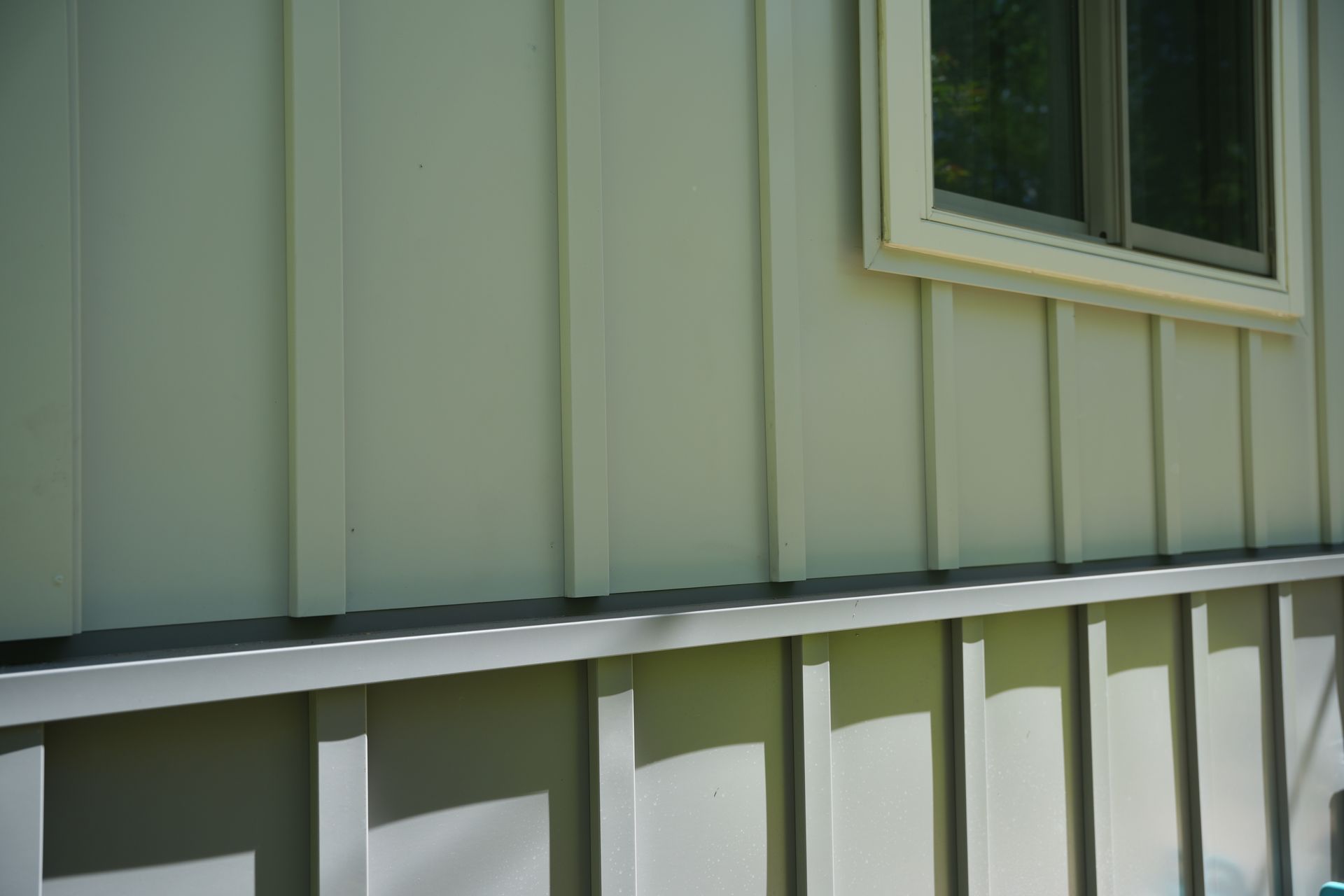
Metal Board and Batten Siding
By Tori Averill September 9, 2026
Explore metal board and batten siding for classic style, lasting durability, and low-maintenance performance built for Colorado conditions.
Shop Talk: 1/8
By Tori Averill September 9, 2026
See how a 1/8-inch measurement difference led to 96 new fascia pieces and how GSMRF and Axtell solve custom metal fabrication challenges.